Column · @erickshvs542
Price Malfunction: Budgeting Your Interlocking Driveway Paving Installment
The right interlocking driveway really feels strong underfoot, drains well after a storm, and festinates a decade later on. Getting there takes greater than selecting a paver shade. The expenses stay in the ground you do not see, in the design details at the sides, and in the labor rhythm of a crew that understands how to set a base that will certainly stagnate. When home owners ask me what an interlocking driveway paving installment need to cost, I start with scope and website problems, after that overcome products, labor, gain access to, and optional upgrades. With a clear break down, you can budget plan with self-confidence and avoid the sort of "we didn't plan for that" shocks that send out jobs sideways.
landscape installation Contra Costa CountyStart with the task you in fact need, not the one you imagine
Driveways are not generic rectangles. The very same square footage can turn hundreds of bucks based on form, access, drain, and dirt. A straight 12 by 40 strip on level sandy soil acts one means. A curved 18 by 50 driveway with a slope toward the garage and heavy clay acts another. If you likewise desire a front path or side yard, folding a Walkway Paving Setup right into the same mobilization frequently reduces system prices, however it can change the base construct and border details.
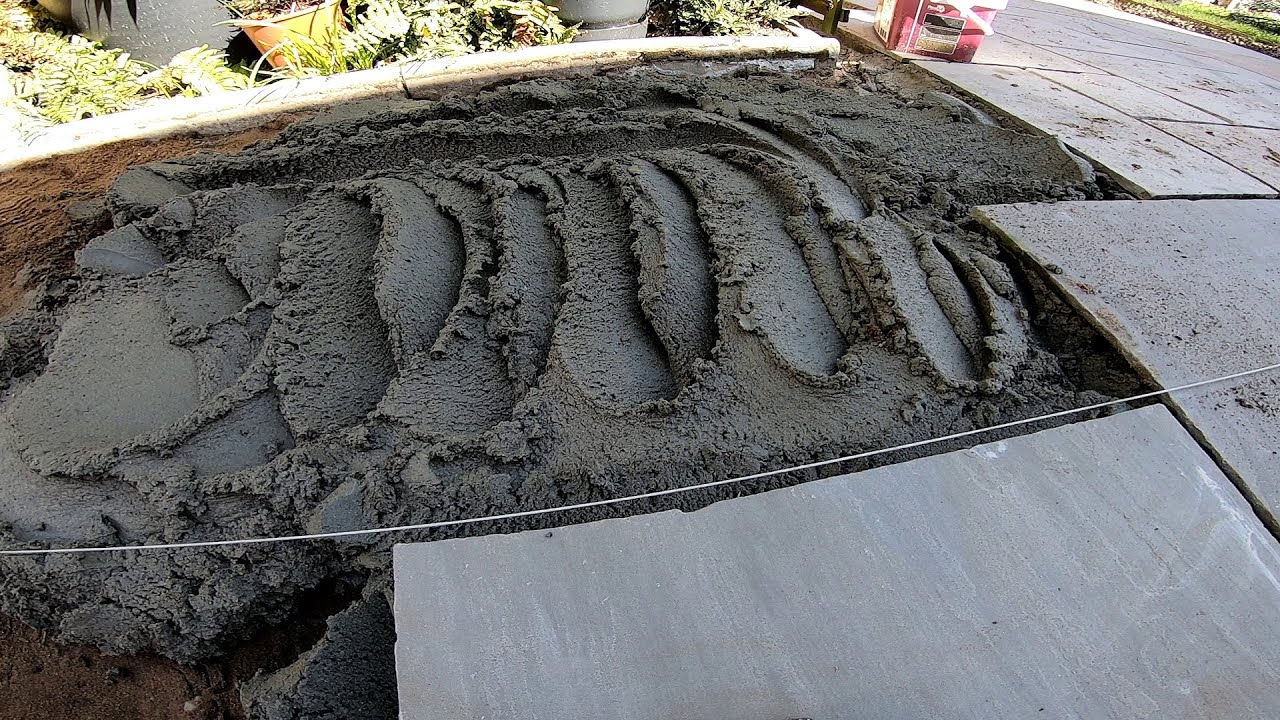
Think regarding how your driveway serves your day. Do you turn a trailer, park a third automobile on the apron, or need snowblower clearance at the street? Practical usage drives paver choice, base deepness, and design. I have had customers request for huge style pieces because they saw them on a magazine cover. Those look wonderful in a yard, however if you have a tight turning radius and hefty automobiles, smaller sized interlacing systems take care of point lots and lower splitting risk.
Where the dollars go
Most budget plans break into six containers: sitework and excavation, base products, pavers and sides, labor, devices and disposal, and ending up touches. Add allowing and backup on the top. The national arrays that follow are realistic for high quality specialist operate in several markets, though high cost city areas can run 15 to 30 percent greater. Local accumulated prices, dump costs, and labor rates move the needle.
Sitework and excavation
A steady driveway starts with eliminating organics and unstable dirts. Regular excavation gets rid of 8 to 14 inches below finished grade for common car loading, sometimes more for extensive clay or if you are aiming for absorptive building and construction with deep open-graded stone. Gain access to matters. A small track loader can move 30 to 50 cubic backyards per day in open websites. Tight side yards can slow down that to a wheelbarrow slog. Expect:
- Light excavation with great access: 1.50 to 3.00 per square foot
- Heavier cuts, tight access, or bad dirts: 3.00 to 6.00 per square foot
Disposal costs run by bunch. Clean soil is more affordable to discard than combined spoil with roots and asphalt pieces. In my location, tidy fill runs 10 to 25 per heap to unload, while mixed waste can strike 60 per lot. If you are tearing out old concrete or asphalt, budget plan to break and haul it. Concrete trial and disposal can add 2.00 to 4.00 per square foot. Asphalt is usually a touch less.
Base products and geotextile
Most failures I see trace back to slim or inadequately compressed base. For interlocking driveway paving installation under typical passenger automobiles, I usually specify:
- Non woven geotextile over native subgrade to separate fines and boost stability.
- 8 to 12 inches of compressed smashed rock base, graded aggregate with penalties for dense packing in typical builds.
- 1 inch of bed linens layer, angular chips for permeable systems or concrete sand for traditional.
Material prices differ by region, however as a working average:
- Geotextile: 0.20 to 0.40 per square foot
- Base rock and delivery: 2.00 to 4.00 per square foot for 8 to 10 inches, more if you need 12 inches or if distribution is long
- Bedding material: 0.40 to 0.80 per square foot
Permeable styles exchange thick rated base for open rated rock in multiple lifts. Rock quantity rises and unit rates can boost 10 to 25 percent, yet you acquire stormwater storage space and frequently avoid puddles at the apron.
Pavers, boundaries, and side restraints
Paver costs vary commonly, mostly on thickness, coating, and brand name. Driveways call for thicker systems, typically 60 to 80 mm. Budget plan tiers appear like this in several markets:
- Entry degree concrete pavers, rolled or common finish: 3.50 to 6.00 per square foot
- Mid tier concrete with premium appearances or blends: 6.00 to 10.00 per square foot
- Large style pieces ranked for automobile usage or architecturals: 10.00 to 18.00 per square foot
- Clay pavers: 8.00 to 15.00 per square foot
- Natural stone established for automotive: 15.00 and up per square foot, relying on types and thickness
Borders and soldier courses add price in 2 means. First, added devices and cuts. Second, slower production for the staff as they straighten patterns. As a rule, a solitary contrasting boundary includes 0.75 to 2.00 per square foot to the general set up, depending on intricacy. Side restrictions can be concrete haunching landscaping Walnut Creek CA or light weight aluminum restraints increased into the base. I like concrete haunching for driveways since it resists rake blades and tire scuff, especially at the apron. Budget plan 1.00 to 2.00 per direct foot of edge for materials, then layer labor on top.
Labor, the largest swing
A great staff moves like a dance: maker unloads, rakes form, plate compactor runs, screed bars strike bed linen, setters lay in a running bond or herringbone, saw man trims, and another compactor shakes in joint sand. Production relies on site shape and just how much reducing the pattern demands.
For straight runs with marginal cuts, an experienced five person team might put and reduce 500 to 800 square feet per day. Add contours, intricate boundaries, or actions and that can be up to 250 to 400. Regional labor rates cover a broad map, but for budgeting, labor for a driveway task can land between 6.00 and 12.00 per square foot for typical problems, and 12.00 to 18.00 when gain access to is limited, patterns are complicated, or base midsts are hefty. If a bid looks a lot lower than that, ask what is missing out on. If it is a lot higher, dig into the line products and make certain you are not paying premium prices for standard work.
Equipment and compaction
You are paying for the appropriate makers as much as the time they run. A plate compactor that evaluates 300 pounds does not establish a driveway the means a reversible 700 to 1,000 extra pound unit does. I have actually seen pavers look perfect on day one and totter at the apron by year one because a light plate floated over the surface area as opposed to seating the units into the bedding.
Expect mobilization and equipment costs to show up as line products or as component of expenses. For a typical household driveway, tools and fuel might add 1.00 to 2.50 per square foot when spread out throughout the task. If you see a suspiciously reduced tools cost, make sure the spec still calls for heavy compaction devices, not homeowner quality plates.
Drainage, grading, and transitions
Water picks the most affordable path. Your spending plan must also, indicating you prepare it before a shovel strikes the soil. Auto tires rut damp areas. Freeze-thaw stands out sides where meltwater gathers. If your driveway inclines towards the garage, you may need a trench drain at the threshold, or to regrade the last couple of feet to drop sideways to a yard or swale. Trench drains, set up properly with a concrete surround and strong linkup to storm or daylight, frequently run 60 to 120 per direct foot mounted. Simple regrades and swales might add 1.00 to 3.00 per square foot throughout the influenced area.
Transitions matter at the street and at strolls. A flush apron at the sidewalk may be required by code. In older areas, tree origins can heave the initial panel near the aesthetic. Strategy to either root trim with an arborist or shift the design to prevent crucial roots. Failure to resolve shifts early often brings modification orders later.
Permits, evaluations, and HOA approvals
Not every city requires a license for driveway work, yet numerous do, especially if you touch the apron in the right-of-way. Charges range from 50 to 500. Some towns additionally call for bonding if you operate at the aesthetic. Anticipate an examination of subgrade and base in stricter jurisdictions. House owner associations typically care about shade, boundary style, and apron information. Develop 2 to 4 weeks right into your routine for authorizations, and a few hundred bucks right into your budget for fees.
The finishing layer: joint sand and sealing
Polymeric joint sand locks units and decreases weed growth. Product expenses commonly run 0.30 to 0.70 per square foot, with cautious mop and compaction to seat the sand. I avoid sealing new pavers instantly. Allow them breathe through a winter season, after that consider a breathable sealer if you reside in a tarnish prone location. Sealing can run 1.00 to 2.50 per square foot when done by a pro. It is optional, but it can make upkeep much easier and deepen shade on some surfaces. Prevent shiny products that turn glossy in rain.
Budget ranges you can actually use
Roll the containers together and you can start to pencil actual numbers. For a conventional interlacing driveway paving setup, quality work usually lands in these ranges:
- Basic, simple rectangle, entry level pavers, excellent gain access to, 400 to 600 square feet: 18 to 28 per square foot
- Mid rate pavers with a boundary, moderate cuts, 600 to 1,000 square feet: 25 to 38 per square foot
- Complex forms, costs pavers, hefty base, drainage elements, 1,000 plus square feet or limited access: 35 to 55 per square foot
Permeable building and construction usually includes 10 to 25 percent compared to standard builds, mostly as a result of rock quantity and specialized bedding.
I have actually built affordable driveways at 16 per square foot when the stars aligned: simple site, no demo, stock pavers for sale, and a customer flexible on pattern. I have actually also seen warranted tasks strike 60 per square foot for high websites with crafted wall surfaces, heated aprons, and ornamental inlays. The trick is lining up assumptions with conditions.
How pathway job fits into the budget
If you plan a Pathway Paving Setup at the same time, you commonly save money on mobilization and attained system rates. Strolls take much less base deepness yet more hand job. They additionally welcome a lot more layout actions like contours and soldier borders. On a blended driveway plus front stroll project, the driveway squares can secure the economic situations of range while the walk raises the aesthetic.
As a rule of thumb, a straightforward straight walk built with the very same pavers as the driveway lands in between 18 and 32 per square foot when done together with the driveway. If constructed as a standalone job, the per square foot cost climbs because you bring mobilization and disposal on fewer squares.
Hidden expenses worth calling prior to they bite
Two or 3 times a season, I am phoned call to fix someone else's budget miss out on. The driveway looks penalty, but the house owner is living with problems, or a contractor deserted the task after hitting rock. Call the threats early and you either prevent them or at least cost them honestly.
- Undercut and backfill. If excavation reveals soft, pumping subgrade, you might require to dig much deeper and backfill with stone. I lug an allocation of 3 to 5 per square foot for undercut on sites with noticeable boring from moles, history of wet areas, or downspout discharge throughout the drive.
- Tree roots and energies. You can not reduce a big feeder root without consequences. You likewise can not lay a base over a shallow gas line without additional security. Call energy locate in advance. Bring an arborist if a heritage tree flanks the apron.
- Access. Moving material through a 42 inch side gateway includes crew time. If the staff needs to present stone on the road and wheel all of it in, production halts. Cost that time.
- Winter conditions. Frost in the ground increases excavation initiative. Warm, dry summer seasons dirt the bedding and break down compaction. Shoulder periods frequently yield the best quality for the dollar.
DIY vs employing a crew
DIY can conserve cash on paper, however driveway lots do not forgive. Leasing a plate compactor and screed bars builds self-confidence, but it does not change repetition. On a great day, a do it yourself staff of 2 close friends might put 100 to 200 square feet after base preparation. On a negative day, a surprise rainfall transforms bedding into soup and you shed a weekend.
Direct material costs for a do it yourself develop can land around 8 to 15 per square foot for base, bedding, geotextile, and beginning pavers, plus tool rentals. Include dump charges and shipment charges. If you value your time and account for the danger of having to remodel areas, working with a crew with a record commonly pencils much better, particularly for intricate shapes or water drainage needs.
I like to see house owners manage the design and selections, perhaps even the demo if they are comfortable and have a way to carry, then bring in pros for base prep and lay. Hybrid approaches can shave costs while maintaining high quality where it matters.
Upgrades and when they make their keep
Not every upgrade is cosmetic. Some conserve you migraines and even insurance calls.
Heated driveways minimize shoveling and ice slip threat. Electric mats or hydronic loopholes both require careful planning at the bed linens phase. Budget plan 12 to 30 per square foot in addition to a standard develop for the home heating elements and the electric or mechanical job, excluding the pavers themselves. In chilly climates with steep aprons, I have seen them settle in safety and security and in minimized freeze-thaw damage.
Permeable pavers solve puddling and lower drainage. They shine on level whole lots with heavy clay or in cities with stormwater costs. Anticipate a moderate costs, and include maintenance like regular vacuuming to recover infiltration.

Lighting at borders and pillars boosts evening visibility and raises aesthetic allure. Low voltage runs and fixtures add 1,500 to 5,000 to a typical task, depending on matter and top quality. Think of glow and snowplow blades when positioning fixtures near the apron.
Decorative inlays, contrasting borders, or a cobble apron change the state of mind of your home. They likewise slow the team. If budget plan is tight, maintain patterning near to the street where it reviews toughest and leave the mid run simple.
A timeline that values climate and inspections
From agreement to tricks on the hook, the majority of domestic projects run one to 3 weeks on site, longer if walls or drainage work are included. Include lead time for products and authorizations. I favor to strip and restore in completely dry stretches. Lifts of base small finest at appropriate moisture, not mud and not dirt. If an assessor should see the base, coordinate so the team is not idled with an open subgrade over a rainfall day.
Three grounded spending plan scenarios
Averages aid, but seeing how numbers stack on real formats aids much more. These are composite instances from jobs I have built or bid within the last couple of years, rounded for simplicity. Your website will differ.
Small city driveway, 12 by 25 feet, 300 square feet. Good gain access to, sandy soil, remove a strip of old crushed rock, install entry level 70 mm concrete pavers in herringbone with a single boundary, light weight aluminum edge on the sides, concrete buttocks at the apron.
- Excavation and disposal: 800
- Base stone and bedding: 1,050
- Geotextile and sides: 240
- Pavers and border products: 1,650
- Labor and equipment: 3,000
- Polymeric sand: 150
- Permit: 75 Complete: roughly 6,965, or regarding 23 per square foot.
Suburban drive, 18 by 40 feet, 720 square feet, with a 4 foot by 30 foot front stroll added, 120 square feet. Moderate clay, small slope towards the garage, consists of a 16 foot trench drain. Mid rate pavers with a different border.
- Demo of old asphalt: 1,800
- Excavation and disposal: 2,400
- Base and bed linen: 3,400
- Geotextile and edges: 780
- Trench drainpipe and linkup: 2,000
- Pavers and boundaries for drive and walk: 7,500
- Labor and devices: 8,200
- Sand and cleaning: 500
- Permit and examination: 220 Overall: about 26,800, or 31 per square foot mixed across 840 square feet.
Large curved driveway, 20 by 60 average, 1,200 square feet, permeable design in a freeze-thaw area with a high 4 percent apron. Costs concrete pavers rated for automobiles, cobble apron inlay, hydronic heating loophole at the apron only. Tight side gain access to.
- Demo of concrete: 5,000
- Excavation, undercut, and disposal: 7,500
- Open rated rock base and bedding: 9,800
- Geotextile and edge haunching: 1,600
- Apron home heating parts and mechanical linkup: 8,000
- Premium pavers and inlay: 16,000
- Labor and equipment: 18,500
- Polymeric joint sand and start-up: 900
- Permits and examinations: 600 Complete: approximately 67,900, or regarding 56 per square foot, with high complexity and upgrades driving the number.
These sketches illustrate just how options and conditions layer onto cost. None are "right," however each matches a details home, climate, and owner.
Comparing professional bids without getting lost
When three proposals sit on a cooking area table and differ by twenty percent, the reaction is to check out totals and hunch. Make them similar rather. Request for matching requirements and inspect the exact same couple of products every time.
- Base deepness and kind, including whether lifts are compacted and what compaction standard is used.
- Paver density and supplier, with the precise color and finish named.
- Edge restraint method at sides and at the apron, and whether concrete haunching is included where cars turn.
- Drainage plan, including slopes, trench drains pipes, and where water goes.
- Disposal, clean-up, and security of surrounding areas like lawns and sidewalks.
If a contractor will certainly not put these in writing, keep looking. A clear extent shields both sides.
A straightforward budgeting workflow that works
I keep customers focused with a brief sequence. It stops over invest in finishes prior to the bones are set.
- Confirm website restraints: study pins, easements, utilities, and tree protection.
- Decide base construct: traditional or permeable, and established target base midsts from dirt conditions.
- Lock format and pattern: rectangular shapes save cash, curves add elegance yet likewise cuts.
- Choose pavers and borders within a material budget plan per square foot.
- Size a backup, 7 to 12 percent, to cover undercut, access surprises, or tiny layout shifts.
This order keeps choice tiredness reduced and guards you from range creep at the incorrect moment.
Craft choices that conserve money without reducing corners
There are areas to cut that do not welcome failure. Straight sides reduce cuts. A running bond pattern lays faster than intricate basketweaves. Matching driveway and walkway pavers decrease little batch waste. Sourcing in your area made pavers decreases freight. Renting a solitary on-site dumpster for demo and ruin can beat multiple tiny hauls. If a warmed driveway is outside the budget plan, concentrate the warmth at the apron only, where ice presents the greatest risk.
On the other hand, resist false economic situations. Do not skimp on base deepness to manage a better paver. Do not give up geotextile over doubtful subgrade. Do not accept light duty edge restraints at a lorry transforming distance. Those are the edges that fold later.
Warranty, upkeep, and the lengthy view
A great installer supports the base for multiple freeze-thaw cycles and behind the craft of cutting and patterning. Manufacturer guarantees on pavers often cover shade fastness and compression toughness, not setup mistakes. Ask what is covered, and for how much time. Maintain a few added boxes of your pavers stored completely dry. Manufacturing runs change a little in time, and it is a gift to your future self to have coordinating stock for a repair.
Maintenance is small if the develop is right. Move and cover up polymeric sand if joints open. Pull weeds prior to they root deeply. Think about a light clean and reseal every few years if you parked a drippy vehicle or if fallen leave tannins discolor the surface area in fall. Rake with a rubber edged blade, and establish your snowblower skids to prevent messing up the joints.
The reward of planning
A driveway is a working surface area, an impression, and a small engineering job. Treat it this way and the dollars act. Specify extent, respect water drainage, fund the base, and work with people who bring the best makers and habits. Whether you maintain it simple or stitch in a boundary and a crisp walk to the front door, a well intended interlocking driveway paving setup pays you back every single time a storm passes and your tires roll smooth over stone that sits tight.